Olympique de Marseille

Olympique de Marseille

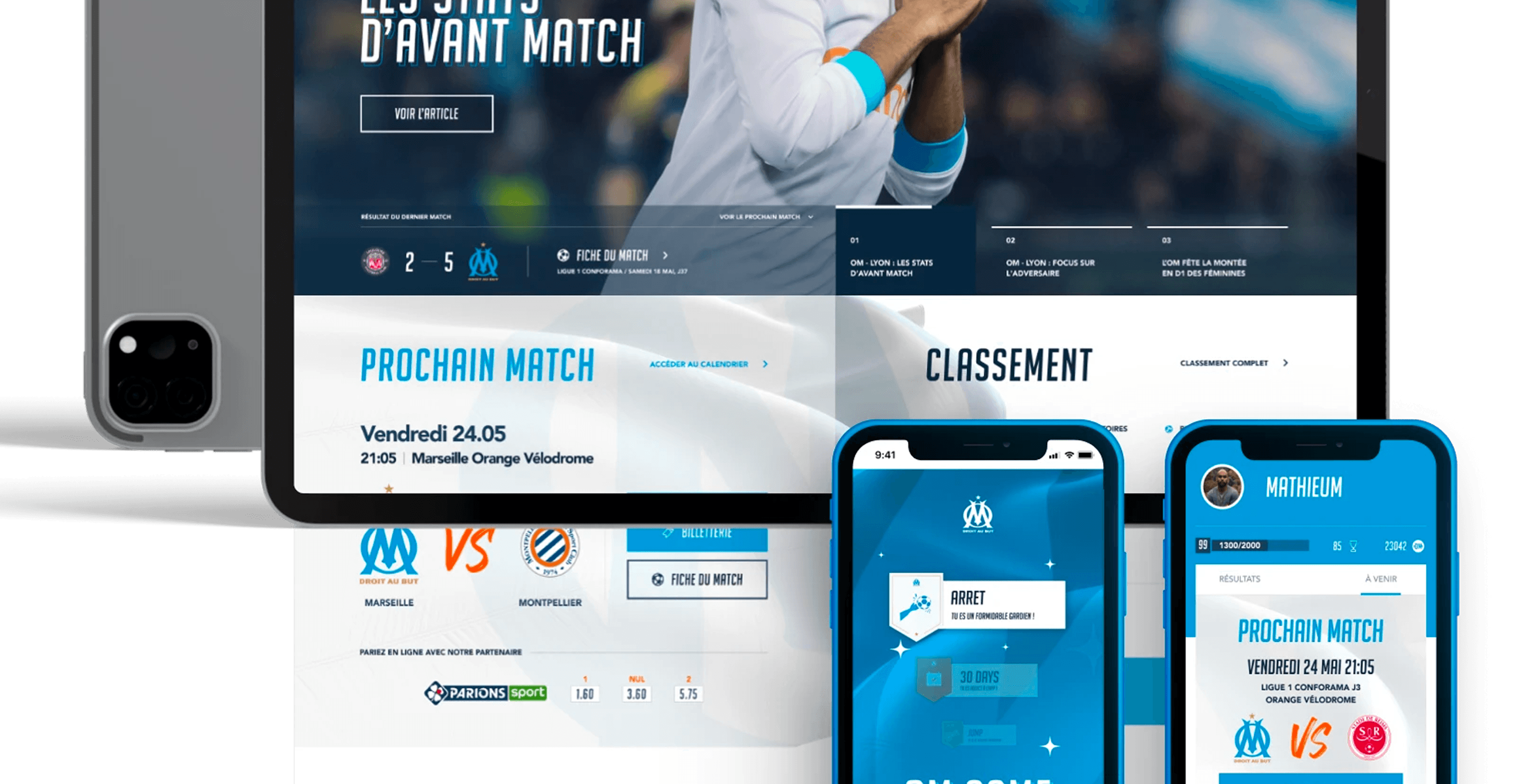
Strategic design and product framing for a fan ecosystem connecting content, matchday services, ticketing and commerce.

Role

Lead · Product strategy · Service design

Challenge

Passionate fans. Fragmented touchpoints.

Scope

Strategy · Content · Matchday · Commerce

Impact

5 touchpoints. 1 ecosystem strategy.

01 · Situation

One of France's most passionate fan bases. No digital ecosystem to match it.

Olympique de Marseille had one of the most emotionally engaged fan communities in French football. Its digital presence — content, ticketing, matchday services, merchandise — existed as disconnected touchpoints rather than a coherent ecosystem designed around how fans actually lived their relationship with the club.

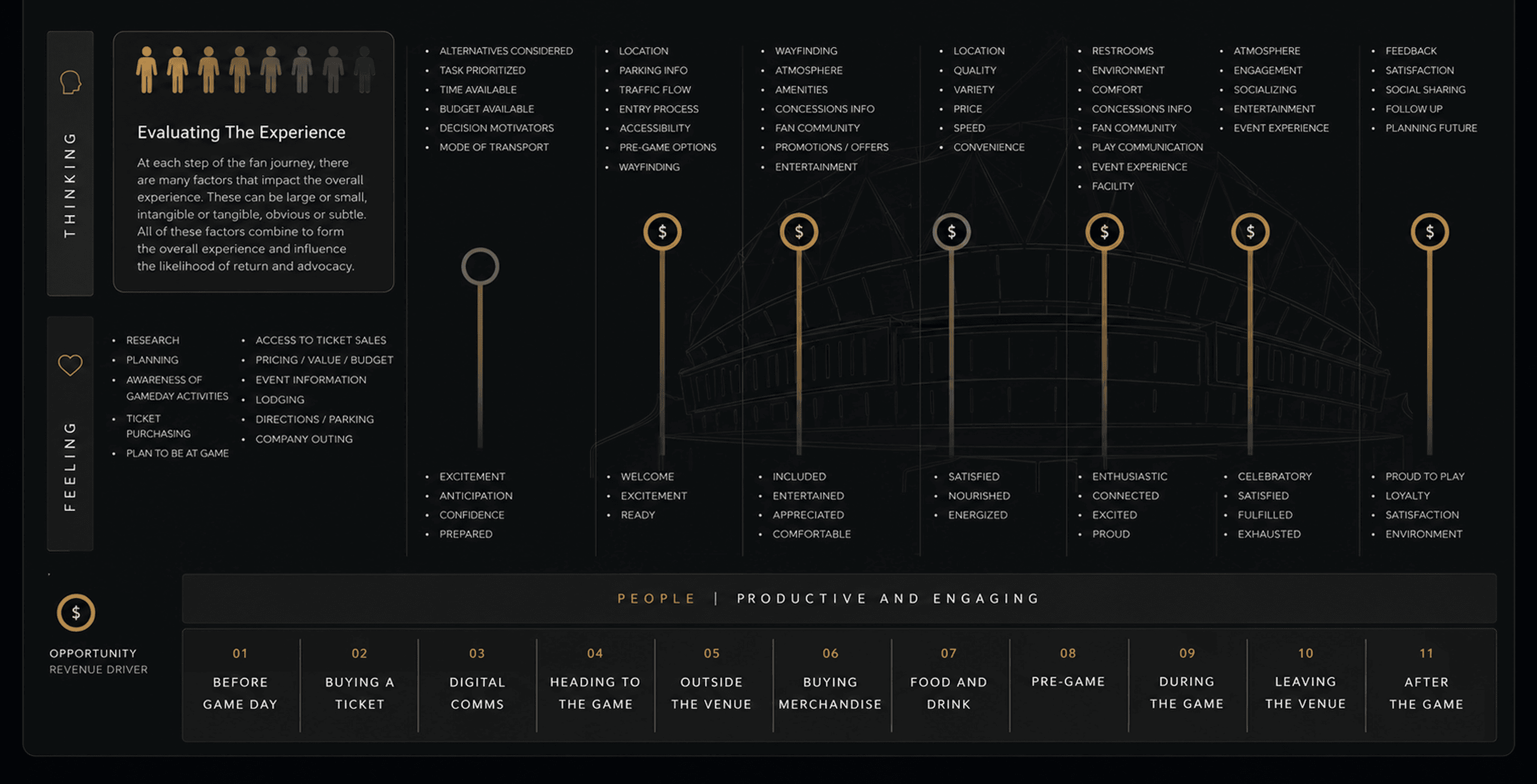
The mandate was to frame and design a fan ecosystem strategy: mapping the fan journey across touchpoints, identifying the structural gaps and defining the product logic that would make the digital experience worthy of OM's community.

01

Fragmented touchpoints

Content, ticketing, matchday and commerce operated as separate channels with no connecting experience logic

02

Community vs platform

One of France's most passionate fan communities had no digital home that reflected that intensity

03

Matchday gap

The matchday experience — the peak emotional moment for fans — had no coherent digital support layer

04

No fan journey

The fan relationship with the club was not mapped or designed — it was left to chance across touchpoints

The design challenge

A fan ecosystem is not a collection of features. It is a designed relationship over time.

02 · Approach

Map the fan. Then frame the system.

The ecosystem strategy was grounded in understanding how OM fans actually lived their relationship with the club — the emotional peaks, the between-game engagement patterns and the touchpoints where the club could add the most value.

Fan journey mapping

Tension

A passionate community whose digital relationship had never been designed.

OM's fans had a rich, emotionally complex relationship with the club — spanning matchday ritual, community identity, content consumption and commercial engagement. This relationship had never been mapped as a designed experience. Decisions about digital features were being made without a shared understanding of the fan journey.

Call

Map the fan relationship across its full emotional and temporal arc.

The fan journey was mapped across the full season cycle — pre-season anticipation, matchweek build-up, matchday experience, post-match processing and the between-game community maintenance. For each phase, emotional intensity, engagement behaviours and digital touchpoint expectations were documented and analysed.

Result

A fan journey map that became the strategic foundation for all experience decisions.

The journey mapping gave the club a shared analytical framework — a way of evaluating digital features and investments against their actual value to fans at specific emotional moments. Experience decisions became anchored in the fan relationship rather than platform capability.

Ecosystem strategy

Tension

Five disconnected touchpoints. No governing ecosystem logic.

Content, ticketing, matchday services, merchandise and community engagement were managed as separate platforms with separate product roadmaps. There was no ecosystem logic connecting them — no shared data layer, no experience continuity and no strategic coherence across the fan journey.

Call

Define the ecosystem architecture before the product decisions.

The ecosystem strategy defined how the five touchpoint categories should relate to each other — what data and context should flow between them, which moments required deep integration and which could operate independently. The product framing gave the club a decision-making framework for prioritising ecosystem investments against fan value.

Result

A coherent ecosystem strategy connecting content, matchday, ticketing and commerce.

The ecosystem strategy gave Olympique de Marseille a structural foundation for its digital product investments — replacing disconnected feature decisions with an integrated view of the fan experience across the full relationship.

Matchday experience

Tension

The peak emotional moment for fans had the weakest digital support.

Matchday was the most emotionally significant moment in the fan relationship with the club — and the digital experience around it was the least designed. Pre-match, in-stadium and post-match digital support were minimal, inconsistent and disconnected from the physical matchday reality.

Call

Design the matchday digital layer around the fan's actual experience.

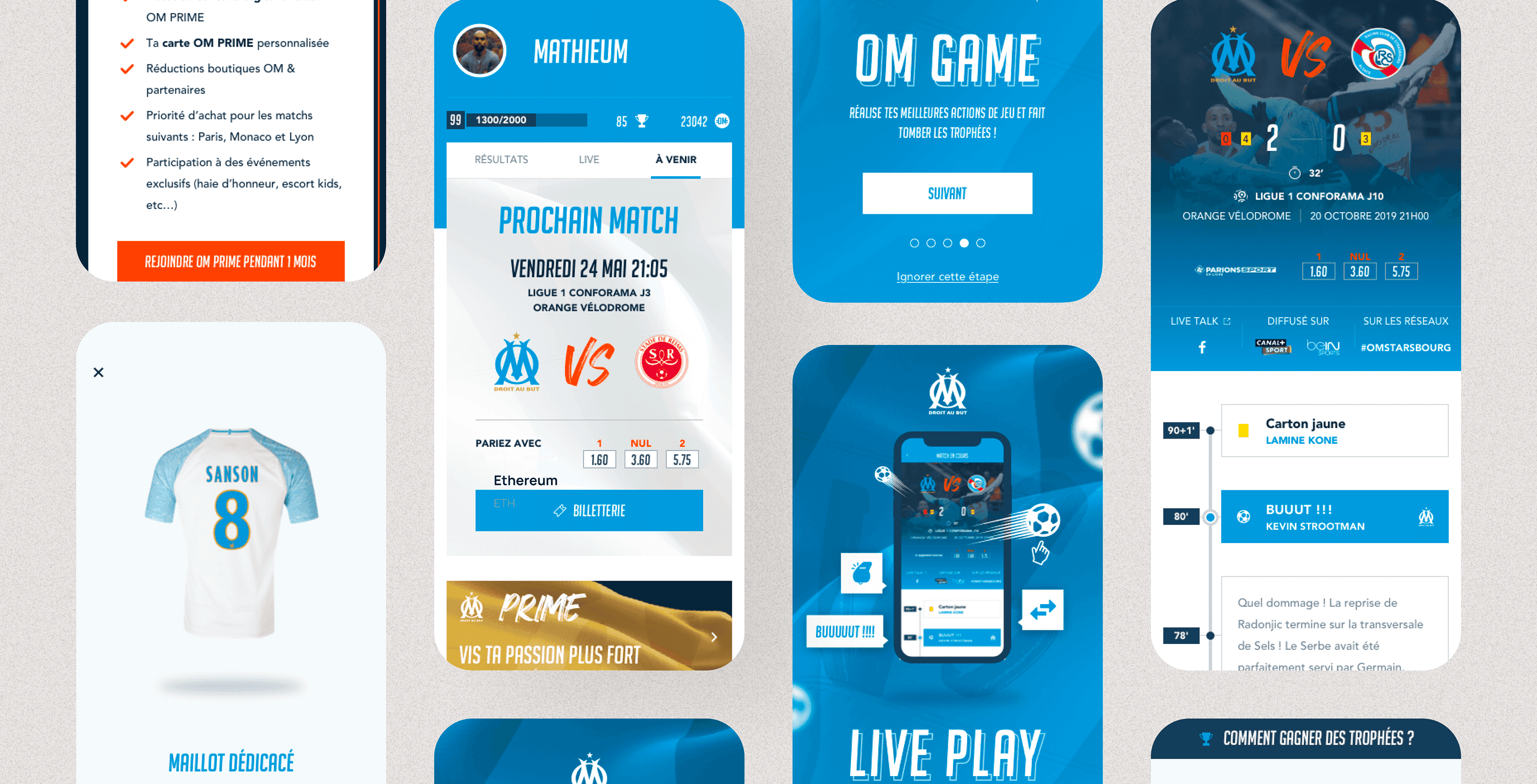
The matchday experience framework was designed around the fan's emotional and practical needs before, during and after the match — from journey planning and gate access to in-stadium services, real-time content and post-match community. Each touchpoint was designed to support the matchday experience rather than interrupt it.

Result

A matchday experience framework designed for the fan, not for the platform.

The matchday framework gave OM a product vision for the most important experience in the fan relationship — connecting digital services to the physical and emotional reality of attending or following a match.

Take away

The most valuable design work in sports is mapping the emotional calendar, not the feature list.

03 · Outcomes

What the strategy produced.

A structural foundation for OM's digital fan experience — grounded in how fans actually live their relationship with the club.

BeforeAfter

5 disconnected digital touchpoints

1 ecosystem strategy

Fan relationship left to chance

Designed across the full season cycle

Matchday with no digital support

Matchday experience framework

touchpoints mapped

5

content, matchday, ticketing, commerce and community

journey framework

Fan

full season cycle mapped across emotional phases

architecture

Ecosystem

strategic framework connecting all digital touchpoints

experience

Matchday

designed framework for the peak fan moment

04 · Takeaways

Three things this confirmed.

01

Sports digital experience is about emotional timing, not features. The most valuable design decisions were about which touchpoints to connect at which emotional moments in the fan calendar — not about which features to build.

02

An ecosystem strategy is a governance tool. Defining how touchpoints relate to each other — what they share, how they sequence — gave the club a decision-making framework that would outlast any individual product delivery.

03

The fan relationship is the product. Designing for how fans live their connection to the club — the rituals, the emotional peaks, the between-game maintenance — produced a strategy that was anchored in genuine human behaviour.

Closing

The ecosystem was designed around the fan relationship, not the platform.

Olympique de Marseille demonstrated that digital transformation in sports requires mapping the emotional reality of the fan relationship before making product decisions. A fan ecosystem is not a collection of connected features — it is a designed experience of belonging, over time, across every touchpoint where the club and its community meet.