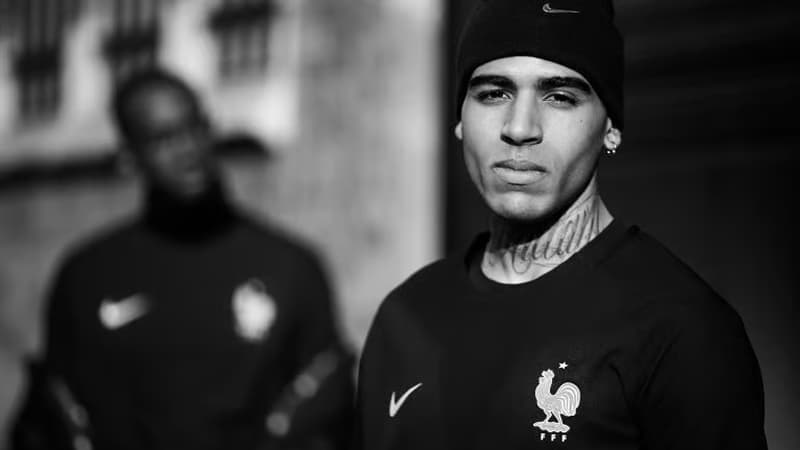
Nike × FFF
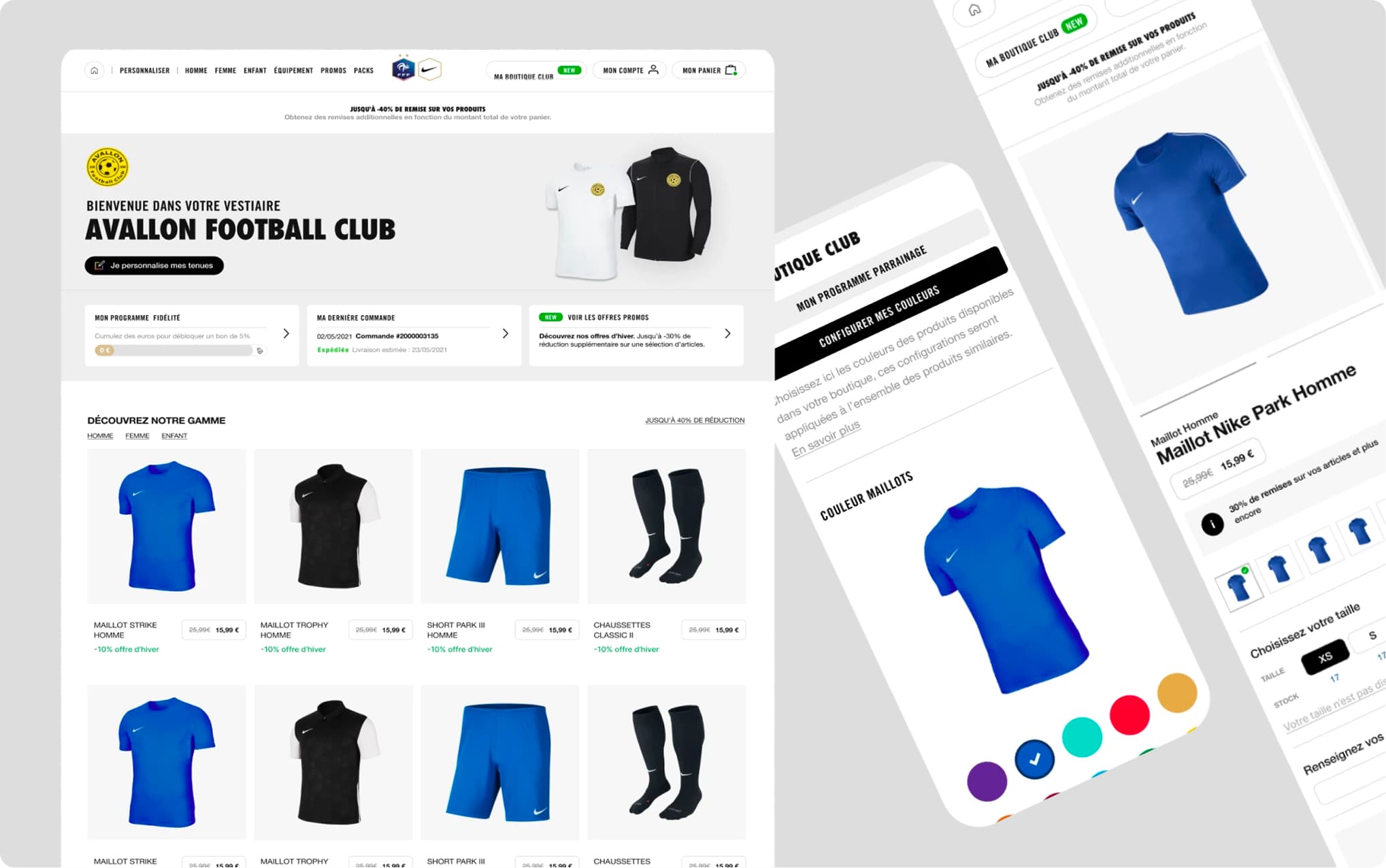
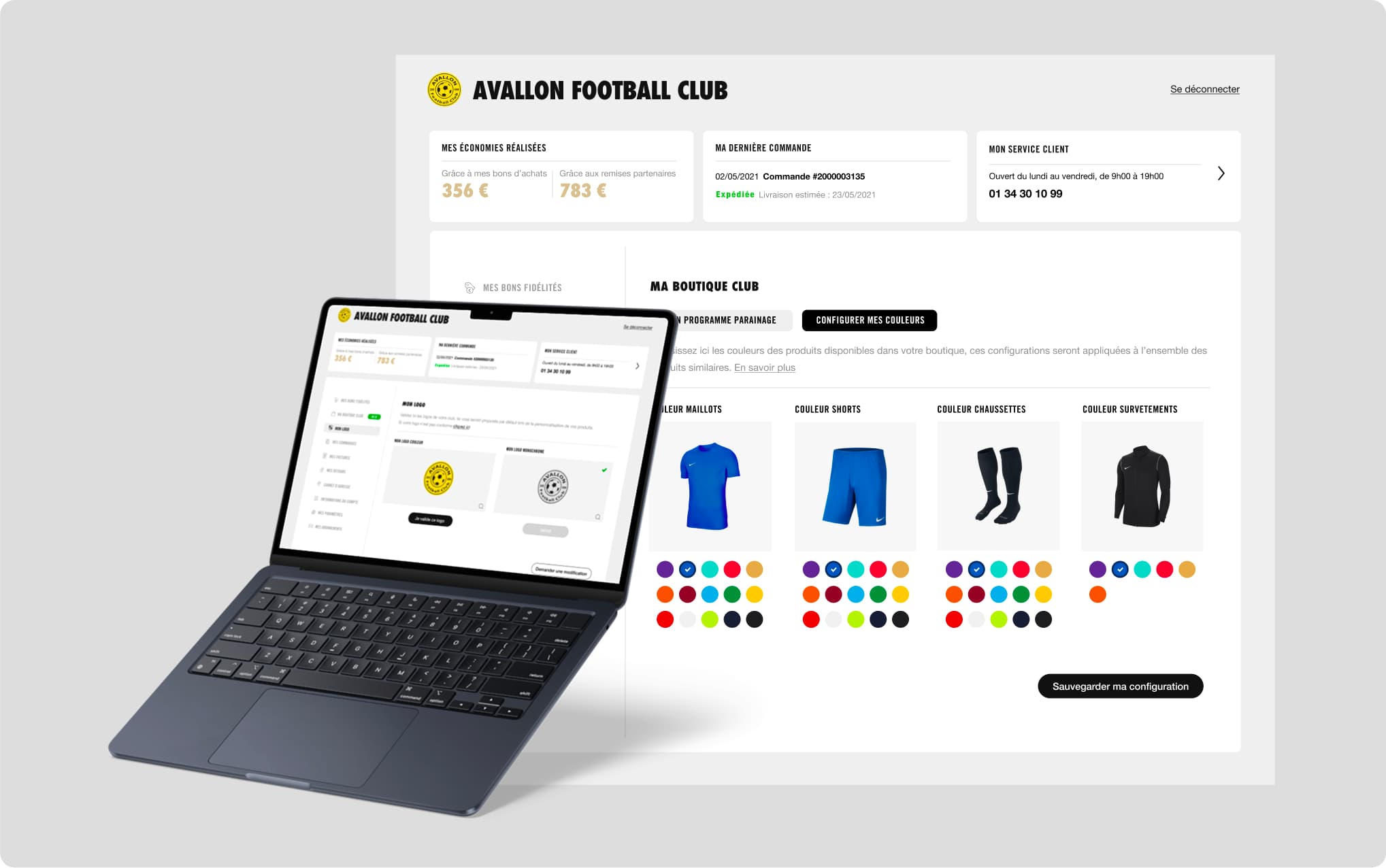
The first direct B2B digital platform between Nike and amateur football clubs in France.
01 · Situation
Nike wanted to become the primary partner of amateur clubs in France.
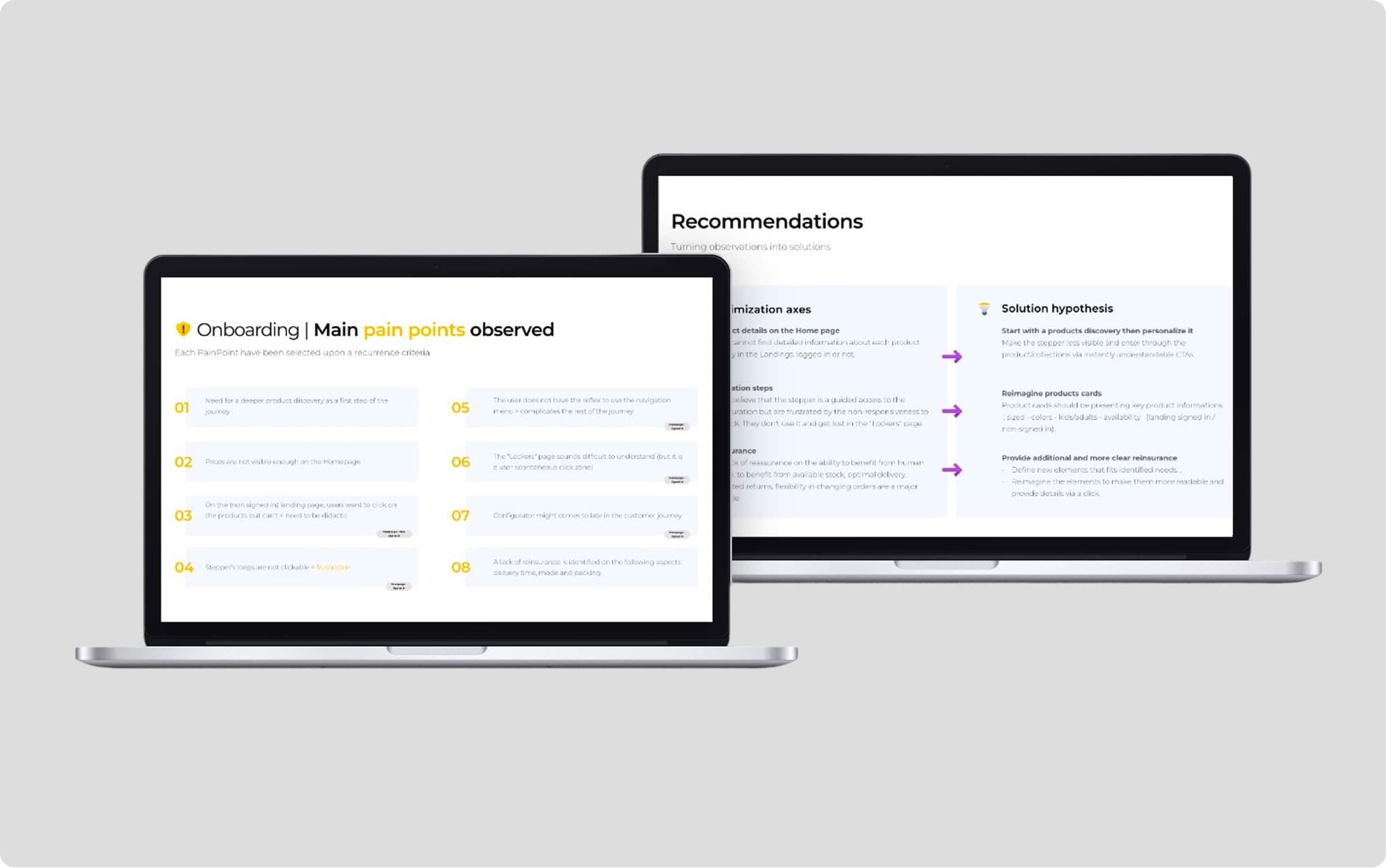
Nike wanted to become the primary partner of French amateur clubs. The barrier wasn't digital adoption. Clubs were managing player lists, sizes and orders through paper forms and Excel files. The brief needed to change before anything could be built.
The real brief
02 · Approach
Reframe the brief. Then build the platform.
Refused the configurator brief. Rebuilt the scope around club operations. Then built the platform.
Take away
03 · Outcomes
What the reframe produced.
The platform delivered because the brief was right. Not because the configurator was clever.
+40%
vs previous indirect channel
12 000
first direct B2B digital relationship
15 days
reduced and made visible to clubs
1
holding strategy, UX and delivery end to end
04 · Takeaways
Three things this confirmed.
Accepting the brief as written is a design failure. The pivot on Nike x FFF happened before the first wireframe.
B2B design fails when it ignores the human on the other side. Club managers are volunteers, not procurement officers.
Solo designer holding strategy and execution is not a limitation. It is a governance advantage.
Closing
The platform was not the deliverable. The relationship was.
12,000 clubs adopted the platform because it was designed for their reality, not Nike's catalogue.